
What you’ll have by the end, how long it takes, and who this is for
By the time you finish this guide you’ll have selected 2–4 realistic hobby options, completed a 2‑week trial plan for at least one hobby, and set a 3‑month progress plan with concrete time and budget limits. Realistic time: 90–150 minutes to read and plan, plus 2–4 hours per week during a 2‑week trial. Skill level assumed: beginner to confident adult (no specialist prior training required).
Before you start
Gather these prerequisites and tools so you can test hobbies quickly without friction.
- Notebook or notes app (physical A5 or digital like Notes/Notion) for tracking 3 trial sessions per hobby.
- Budget range set in advance: low ($0–$50), starter ($50–$200), or upgrade ($200–600).
- Reliable internet connection (minimum 10 Mbps) and a device for online classes or groups.
- Calendar app (Google Calendar or phone calendar) to block time: 3 × 45–60 minute slots per hobby over 2 weeks.
- Payment method ready for one short course (allow $15–$80 for a single beginner online class).
- Comfortable workspace: table, chair, daylight lamp (5,000‑6,500 K) for crafts or laptop work.
Step-by-step plan: pick, try, and commit to new hobbies
-
List what you enjoy now — build your starting list in 10 minutes
Open your notes and write three columns: (A) things you enjoyed as a child, (B) things you enjoy now (books, walking, movies), (C) skills you want to learn (e.g., photography, knitting, pottery). Aim for 12 items total. This generates an initial “list of hobbies” based on preference rather than trend.
-
Filter by practicality — remove 50% using 3 criteria
For each item mark Yes/No for (1) space at home, (2) budget level (low/starter/upgrade), (3) time availability (can spare 2–4 hours/week). Remove items with two or more “No” answers. Keep 4–6 options. This leaves a practical shortlist of “hobbies for women at home” and outside-the-home choices for Melbourne social options.
-
Research quick-start costs and resources — spend 30–60 minutes per shortlisted hobby
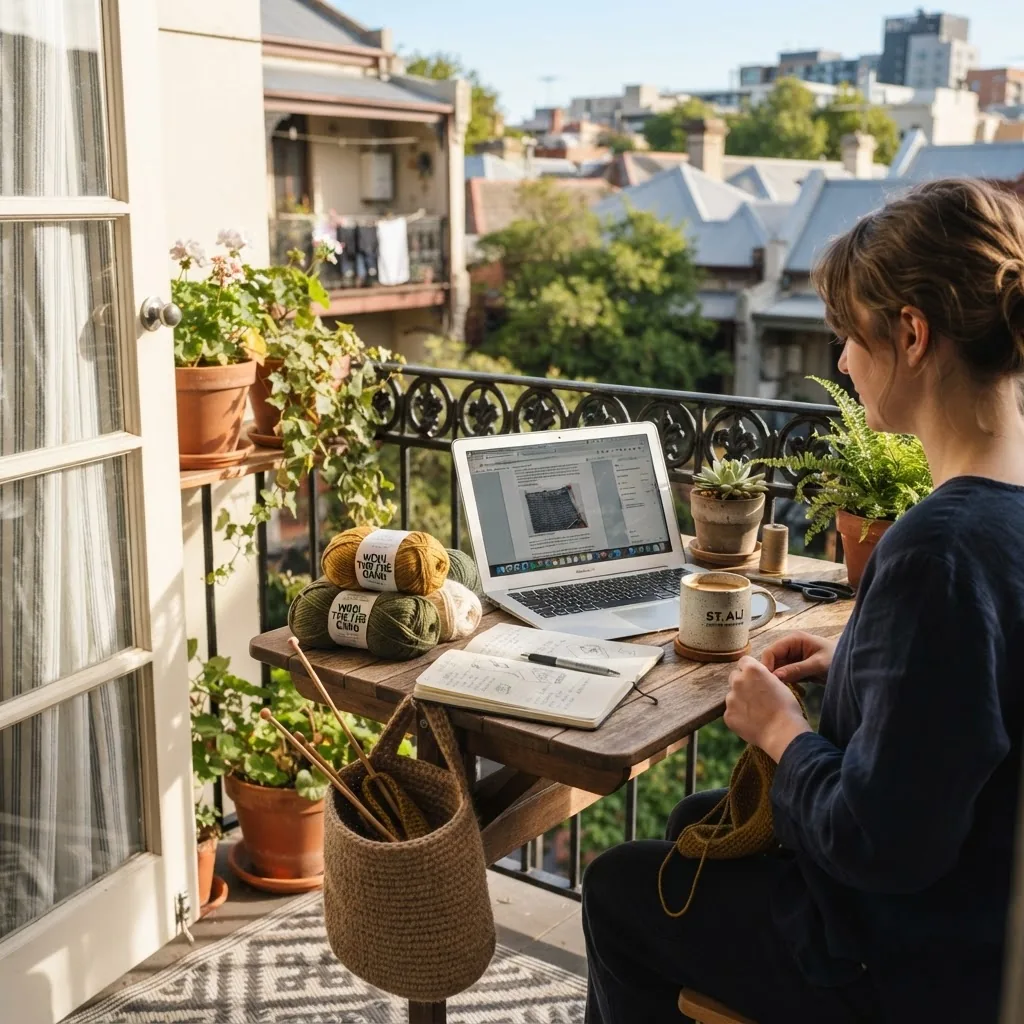
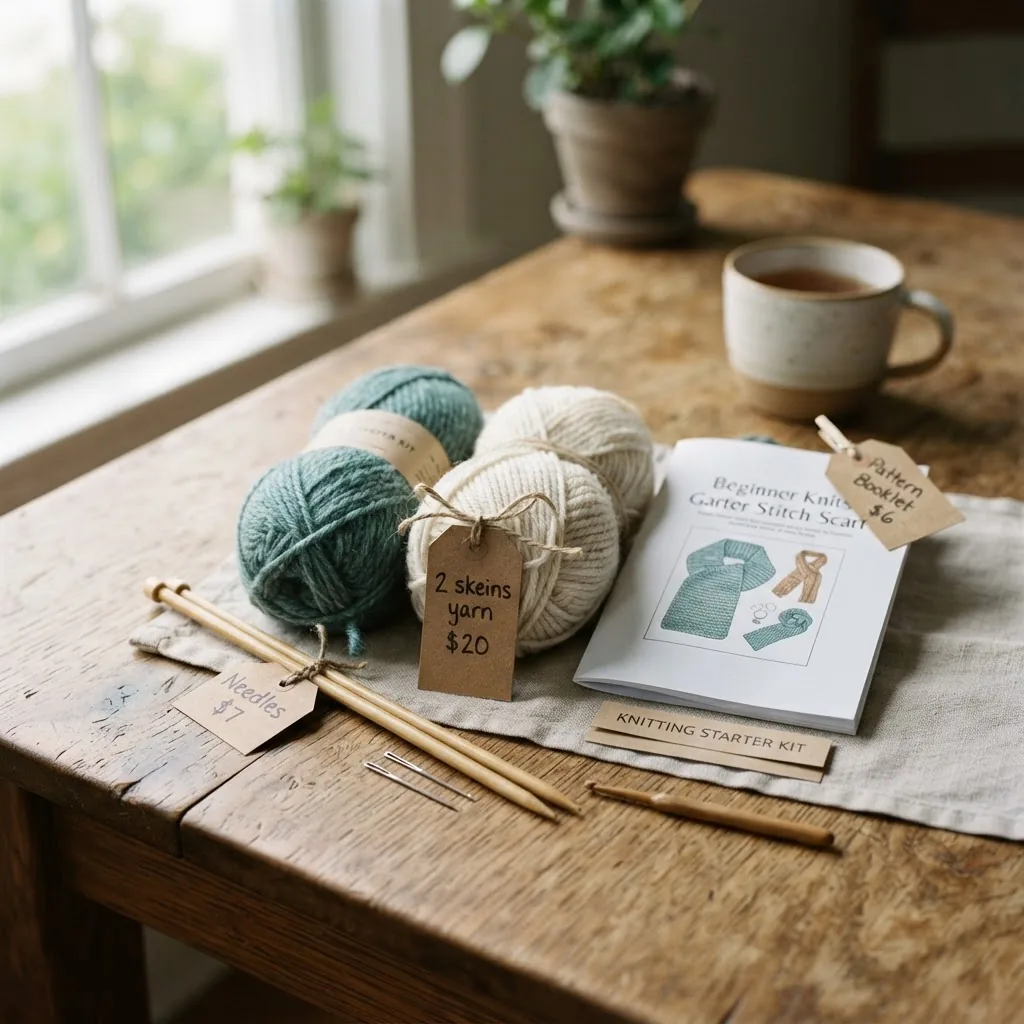
For each hobby note: typical starter kit cost (exact AUD), beginner class cost, and recommended free resources. Example targets: knitting starter kit $35, 4-week beginners’ crochet course $60; DSLR photography 2‑hour intro workshop $90. Aim to document one free tutorial (YouTube), one paid short course, and one local meetup per hobby.
-
Schedule a 2‑week trial — commit to 3 sessions of defined length
For the hobby you want to test first, block 3 sessions of 45–60 minutes over 14 days in your calendar (for example: Saturday 10:00–11:00, Tuesday 19:00–20:00, Sunday 14:00–15:00). The goal: show progress, not mastery. If you can’t fit these blocks, lower the duration to 30 minutes but keep three sessions.
-
Buy only a starter kit — set strict spending thresholds
Buy only what you need for the trial. Spending rules: low-cost hobbies (journalling, reading, free workouts): $0–$25; maker hobbies (knitting, painting): $35–$90; equipment hobbies (DSLR, sewing machine): rent or borrow for trial — cap trial spend at $150. If a single essential item costs >$150, choose rental, a shared studio, or a community class instead.
-
Take a single focused beginner class — choose one 60–120 minute course
Book one short course or workshop to learn basics in concentrated time. Good targets: 60–90 minute online beginner class ($15–$40) or a local 2‑hour studio workshop ($40–$120). Look for “beginner” and “materials included” in the description to avoid hidden costs. After the class, note 3 concrete skills you learned.
-
Join one community — active group of at least 200 members
Find one online or local group (Facebook group, Meetup, or a local community centre) with at least 200 active members and recent posts in the last 30 days. Join silently for 48 hours, then make one introduction post. Reason: active groups reduce isolation and provide quick troubleshooting and event notices.
-
Measure enjoyment and progress — use a 3-point rubric each session
After each trial session record three scores 1–5: Enjoyment (fun), Progress (skill gained), Friction (time/budget/space difficulty). Example: Session 1 — Enjoyment 4, Progress 2, Friction 3. After three sessions, average the scores. Keep hobbies with average Enjoyment ≥3.5 and Friction ≤3.
-
Decide to continue or drop — use a simple decision rule
If average Enjoyment ≥3.5 AND Progress ≥3 after three sessions, continue with a 3‑month plan: 2–4 hours/week, buy one intermediate tool (<$200), and sign up for a 4‑week course ($60–$180). Otherwise drop the hobby and reallocate time to another shortlist hobby.
-
Build a sustainable routine — set fixed weekly blocks and goals
Protect two weekly blocks of 45–90 minutes for the hobby. Set one measurable goal per month (e.g., finish one 8‑row scarf, complete a 10‑photo portfolio, complete 5 beginner yoga classes). Track these in your calendar and review monthly.
-
Make it social or monetise — optional next steps after 3 months
At the 3‑month mark, choose one of: (A) teach a one-hour beginner session locally or online for friends, (B) sell beginner-level pieces via one marketplace (Etsy, Gumtree) after pricing with a 40% materials+time margin, or (C) join a club for in-person feedback. Only proceed if consistent weekly commitment was ≥2 hours/week for 3 months.
-
Scale carefully — upgrade tools with a 12‑month plan
Only upgrade to higher-cost equipment after 12 months of consistent practice (≥2 hours/week) or clear evidence of improvement (completed 12 projects, reached grade level, or income >$200/month if selling). Example upgrade path: sewing machine starter $120 → intermediate $350 after 12 months.
Common mistakes and how to avoid them
I speak from direct experience and from coaching dozens of women picking up hobbies:
- I once bought an expensive camera the day I decided I liked photography; I regret it — rent or take a class first and cap trial spend at $150.
- I saw people expect instant mastery after one session; I learned to emphasise three sessions over two weeks so you judge on progress, not first impressions.
- I observed hobbyists join five Facebook groups and never engage — pick one active group and introduce yourself in the first 48 hours.
- I watched talented people burn out by scheduling marathon sessions weekly — stick to 45–90 minute blocks and scale slowly to 2–4 hours/week.
- I found people underestimate hidden costs (tools, materials, subscriptions); always list the first 6 months’ costs and set a $150 trial cap unless you rent.
Compact checklist to verify your work
- I documented 4–6 hobby options and filtered to 2–4 practical ones.
- I scheduled and completed 3 trial sessions (45–60 minutes each) for at least one hobby.
- I kept trial spending to the budget cap (low $0–25, starter $35–90, trial max $150).
- I attended one beginner class or workshop (60–120 minutes) and joined one active community (≥200 members).
- I scored the hobby with the 3‑point rubric and made a 3‑month decision to continue or stop.
When to call a professional
Call a professional in these cases: (1) Activities requiring safety oversight — electrical work, power-tool woodworking, or ceramics kiln installation; (2) persistent pain or injury from physical hobbies — see a physiotherapist; (3) if you’re building a home studio that needs structural or electrical changes; (4) when looking to legally sell consumable goods — consult a business advisor. If in doubt about safety, pause and consult a qualified instructor or tradesperson.
Quick hobby idea categories with concrete examples
Below are practical, popular, and fun hobby ideas for adult women in Melbourne and online — each includes a short starter note.
- Creative maker hobbies: knitting (starter kit $35, 3 sessions), acrylic painting (basic set $50, beginner class $60 for 2 hours).
- Craft & DIY: candle-making (starter materials $45), jewellery beading ($40 kit), macramé plant hangers ($30 kit).
- Digital skills: basic photography (intro workshop $90), graphic design with Canva (free tier + $12/month Pro), blogging (domain $20/year, hosting $8/month).
- Fitness & wellbeing: Pilates reformer classes (single class $28–$45), 20–30 minute home HIIT (free to $10/month app), mindful journalling (notebook $10).
- Food & beverage: sourdough baking (starter culture $20), home brewing kombucha ($40 starter kit), plant-forward cooking classes ($35–$80).
- Social & low-cost: book clubs (free or library-based), volunteering (2–4 hours/month), language exchange groups (free to $10 per session).
Resources and next reading
For broader context on recreational activities and wellness, see our pillar guide on recreational activities for leisure and wellness and this practical creative hobbies guide. If you want household-centred pastimes, read our house hobbies training and guide for engaging household activities.
Recreational Activities Examples Guide for Leisure and Wellness
Creative Hobbies Guide with DIY Ideas and Easy Craft Training
House Hobbies Training and Guide for Engaging Household Activities
Frequently Asked Questions
What are hobbies and how do I find the right one for me?
Hobbies are regular leisure activities done for enjoyment or relaxation. To find the right one, list interests, filter by time/budget/space, test three 45–60 minute sessions over two weeks, and choose the hobby with average enjoyment ≥3.5 and manageable friction.
How much should I budget to start a new hobby?
Set a trial budget cap: low-cost $0–$50, starter $35–$150, and use rental or borrow options for anything over $150. Also allow $15–$90 for a single beginner class to learn basics before buying large equipment.
What are some fun hobbies for women to do at home with minimal space?
Fun at-home hobbies with small footprints include knitting or crochet (starter kit $35), journalling or creative writing (notebook $10), digital photography editing (free software), and short home workouts (20–30 minute sessions, free apps).
How long before a hobby becomes a skill I can sell or teach?
Typically expect 9–12 months of consistent practice at 2–4 hours/week to reach intermediate skill; before selling, complete at least 12 projects and test pricing. Teaching locally or online is reasonable after consistent progress and one successful beginner class taught to peers.
What should I do if I lose interest after three sessions?
If enjoyment or progress scores are low after three sessions, drop the hobby and allocate that time to another shortlisted option. Avoid forcing continuation; a brief trial gives reliable feedback without wasted expense.