
What you will have achieved, time and skill level
By the end of this guide you will have: (1) a personalised shortlist of 4–6 hobbies for seniors suited to mobility and interests, (2) step-by-step plans to try each hobby safely for 2–4 weeks, and (3) a set of measured thresholds (session length, frequency, equipment sizes) to track progress. Expect to spend 3–6 hours planning and setting up, then 30–120 minutes per week per hobby. This guide assumes a confident beginner skill level — basic reading, mobility for standing or seated activity, and basic fine motor control.
Before you start
- Personal items: reading glasses, mobility aid (cane or rollator) if used, and a medication list.
- Basic tools: measuring tape, timer or smartphone, notepad and pen for a 4-week log.
- Safety items: non-slip shoes, chair with armrests, first-aid kit, and a phone within reach.
- Starter equipment (buy only as indicated in steps): 1 medium pot (20–25 cm), ergonomic knitting needles (size 8–10 mm), 100 g worsted yarn, 1 resistance band (light, 5–10 kg), a tablet or large-button phone.
- Access: local community centre details or a trusted online tutorial (if following videos).
Step-by-step plan to pick and trial hobbies
-
List current abilities and preferences (15–30 minutes).
Write down mobility: fully mobile, uses cane, uses wheelchair. Note fine motor control (can thread a needle? yes/no), vision (normal/corrected with glasses), and social preference: solo, small group (2–6), or class. This gives thresholds: avoid standing-intensive hobbies if standing time exceeds 15 minutes without rest.
-
Choose 4 hobby categories to test — one per week for 4 weeks.
Pick from these recommended categories: gentle physical (chair-based exercise), creative craft (knitting, watercolour), outdoor gardening (containers), intellectual/social (book club, bridge). Commit to 2–3 sessions per week: sessions of 20–40 minutes for physical activities, and 40–90 minutes for crafts or social groups.
-
Set measurable goals for each hobby (10–20 minutes).
For each chosen hobby write 1 short-term goal (4-week) and 1 maintenance goal (12-week). Examples: “Complete a simple scarf 25 x 150 cm using worsted yarn in 4 weeks” or “Attend 8 low-impact chair exercise sessions in 4 weeks.” Use the timer to record session length and rate exertion 1–10 after each session; aim for perceived exertion 3–5 for beginners.
-
Prepare safe workspace and equipment (30–60 minutes).
Arrange a well-lit space with a stable chair (seat height 45–50 cm) and a flat table. For crafts, use an adjustable lamp and a non-slip mat. For gardening, choose a waist-high pot (30–40 cm) or raised bed to avoid bending for more than 5 minutes per session. Label boxes with contents and weigh heavy pots no more than 6–8 kg to allow safe handling.
-
Start with a 10–15 minute warm-up for physical hobbies.
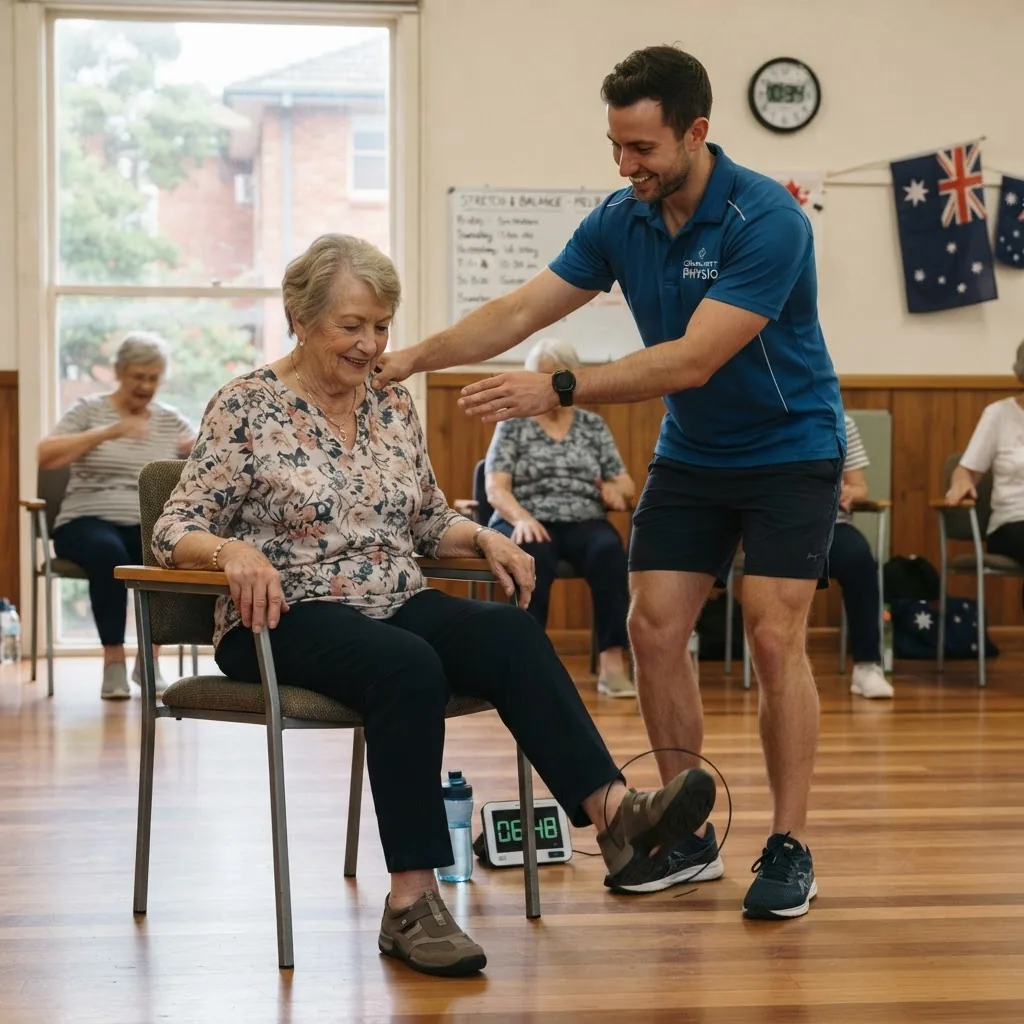
Before any standing or seated exercise, do 10–15 minutes of mobilising: ankle circles (10 each side), shoulder rolls (10 forward, 10 back), seated marches (30 seconds), and neck turns (5 each side). If blood pressure is a concern, rest 2 minutes between movements and sit if dizzy. Stop and call help if you experience chest pain, severe breathlessness, or fainting.
-
Follow beginner recipes or patterns to build early wins (1–2 hours).
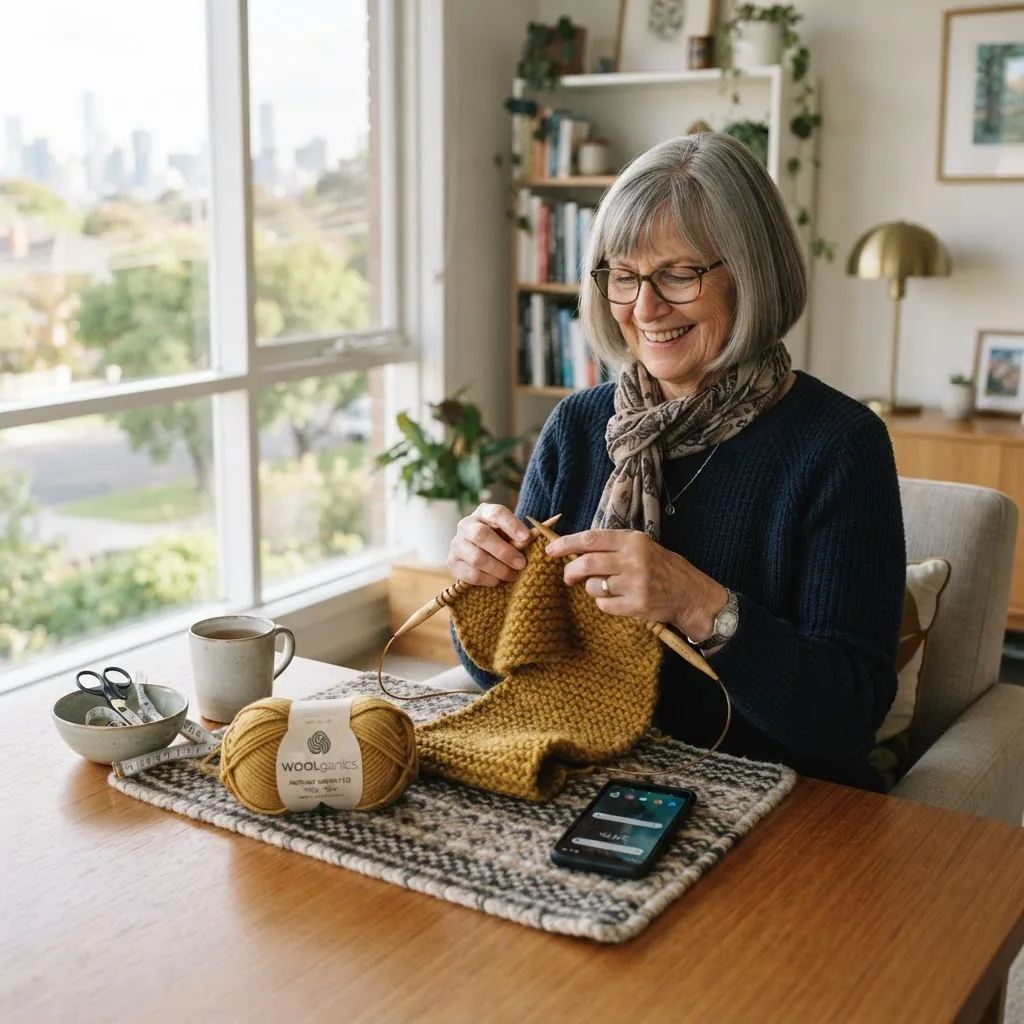
Use one small, guaranteed-success project per hobby. Examples: knitting — cast on 20 stitches with size 9 mm needles, knit garter stitch until 150 cm long (approx. 6–10 hours spread across 2–4 weeks). Watercolour — complete a 20 x 20 cm sketch using 3 colours; limit sessions to 30–45 minutes to avoid fatigue. Gardening — plant three 15–20 cm diameter pots with one herb each (basil, mint, parsley); water 250 mL per pot twice weekly.
-
Use staged learning and accessibility features for tech-based hobbies (30–45 minutes setup).
For tablet or phone use increase text size to 150%, enable high-contrast mode and turn on voice commands. Install a large-button app or a reading app with adjustable words-per-line (aim for 60–70 characters per line). For seniors new to video calls, perform a 15-minute test call with a family member and a 5-point checklist: camera, microphone, volume, lighting, and call link.
-
Join one local or online group within week two.
Find a community centre class or online meetup. Aim for small groups (6–12 people). Log attendance: meet twice monthly at minimum. Use these relative links to check class ideas and creative projects: see the recreational activities examples guide for broader ideas and the creative hobbies guide for craft projects. If you prefer women-only groups, review the hobbies for women online guide for safe, popular options.
Internal links: recreational activities examples guide, creative hobbies guide, hobbies for women online guide.
-
Track progress weekly and adjust thresholds (10–15 minutes per week).
Record session duration, perceived exertion (1–10), and one achievement (e.g., “planted three herb pots” or “completed 25 cm of scarf”). If exertion >6 regularly, reduce session length by 25% or swap to a seated version. If fine motor tasks are frustrating after 2 sessions, switch to larger tools (needles +2 mm or needle grips).
-
Evaluate after 4 weeks and decide continuation or rotation.
Assess goals: did you complete the short-term goal? Keep hobbies that meet at least 60% of your goals and that you enjoy on 3–5 scale. Rotate out those you dislike or cause pain; replace with a similar intensity hobby (for example, swap standing gardening for container gardening on a bench).
Common mistakes and how to avoid them
I’ve seen these fail in practice — here’s how I fix them.
- Starting too long. I once watched a new member attempt a 90-minute knitting marathon; they developed hand pain and quit. Fix: begin with 20–40 minute sessions and use ergonomic tools (needle grips, thumb rests).
- Ignoring safety in gardening. I observed a volunteer lift a 12 kg pot alone and strain their back. Fix: limit individual pot weight to 6–8 kg and use a trolley or ask for help.
- Skipping warm-ups for exercise. I supervised a chair-exercise class where two participants had dizzy spells because we skipped ankle and neck mobilising. Fix: always warm up 10–15 minutes and rest between sets.
- Buying expensive equipment before trying. I recommended a $200 specialised kit to a beginner; they never used it. Fix: start with low-cost versions (one 100 g yarn, basic size 9 needles, $10 resistance band) and upgrade only after 4 weeks.
Compact checklist before you call it ‘done’
- Workspace set: chair height 45–50 cm, non-slip surface, lamp positioned to avoid glare.
- Equipment checked: one ergonomic tool per hobby (needles +2 mm if needed, light resistance band 5–10 kg).
- Trial completed: 2–3 sessions per week for at least 4 weeks per hobby.
- Goals recorded: 4-week short-term goal and 12-week maintenance goal written down.
- Health thresholds observed: perceived exertion ≤5; stop immediately for chest pain, severe breathlessness, fainting.
- Social plan: at least one group or contact person assigned for accountability.
When to call in a professional
Call a physiotherapist or GP before starting if you have uncontrolled hypertension, recent cardiac event within 6 months, unstable diabetes, severe balance problems (falls more than once in 6 months), or chronic joint pain limiting daily activities. Hire a certified occupational therapist if you need adaptive equipment recommendations or an accredited instructor for pain during activities despite modifications.
Frequently Asked Questions
What are the easiest hobbies for seniors to start at home?
Easy at-home hobbies include knitting with size 8–10 mm needles and 100 g worsted yarn, container herb gardening in 20–25 cm pots, and chair-based exercise sessions of 20–30 minutes. These require minimal cost (under AUD 30 for starter supplies) and can be done seated with short warm-ups.
How long should a senior try a hobby before deciding to stop?
Try a hobby for at least 4 weeks with 2–3 sessions per week before deciding. That provides 8–12 sessions, enough to learn basics and judge enjoyment. If physical pain or exhaustion occurs in the first two sessions, modify the format instead of stopping immediately.
Are there hobbies specifically for elderly women that are low impact?
Yes. Low-impact options popular with older women include watercolour painting (30–45 minute sessions), gentle tai chi or chair yoga (20–40 minutes), and social crafts like hand sewing or group book clubs. Choose seated or low-balance variants and monitor exertion below 6/10.
How much does it cost to start common old age hobbies?
Starter costs are modest: knitting kit AUD 15–35, basic watercolour set AUD 20–40, raised garden planter AUD 40–120, resistance band AUD 8–20. Expect to spend AUD 50–150 to set up three hobbies comfortably, with ongoing costs depending on materials consumed.
What should I do if a hobby causes joint pain?
Stop the activity immediately, rest, and apply ice for 10–15 minutes if swelling appears. Reduce session length by 50% and switch to larger tools (needles +2 mm, thicker grips) or a seated alternative. If pain persists beyond 48 hours, consult a GP or physiotherapist.